
If the default indie RPG success story welds “finished” and “playable” into the same event—open hubs, branching quests, and full VO stuffed into the install package so the store page can endorse you with completion itself—then the roughly ten-month postmortem debdev wrote on r/gamedev almost publicly tears that script apart: started about a decade ago, Steam Greenlight on 30 March 2017, release 28 March 2025—nearly eight years between those dates; inspiration anchored in the freedom and reactivity of Deus Ex, Fallout 1 & 2, and New Vegas; what the launch window left behind was a Mixed rating, about 30% refunds in month one, and the tear of “finished, but not playable then.”
That can sound like self-critique. What carries weight is his willingness to lay the tear on checkable ground—not “players didn’t get the ambition,” but “solo testing can’t cover it, overscope, no marketing, old code debt”—and still write: not abandoning this game; continuing support; the next project will open more restrained under these lessons.
The through-image of this piece is “finished” itself. It is not a milestone sticker. It is a production ethic: when release day pushes the build into the store, a real maker does not first ask whether they finally finished, but whether after a stranger presses start, the thing still holds as playable.

I. Default Logic: Finished Equals Playable, Ambition Equals Justice
The industry default is clean, and therefore wounding.
Long-cycle indie RPGs are fed by one vocabulary: Greenlight or wishlists prove “people want it”; refusing publishers proves “I can walk start to finish”; full VO and open hubs prove “I am serious.” Players learn to read such works in the same vocabulary—“has attitude,” “big scope,” “support the solo.” The pact turns finished into a charm that forgives everything: nine years mean bugs should be understood; refusing publishers means delays should be romanticized.
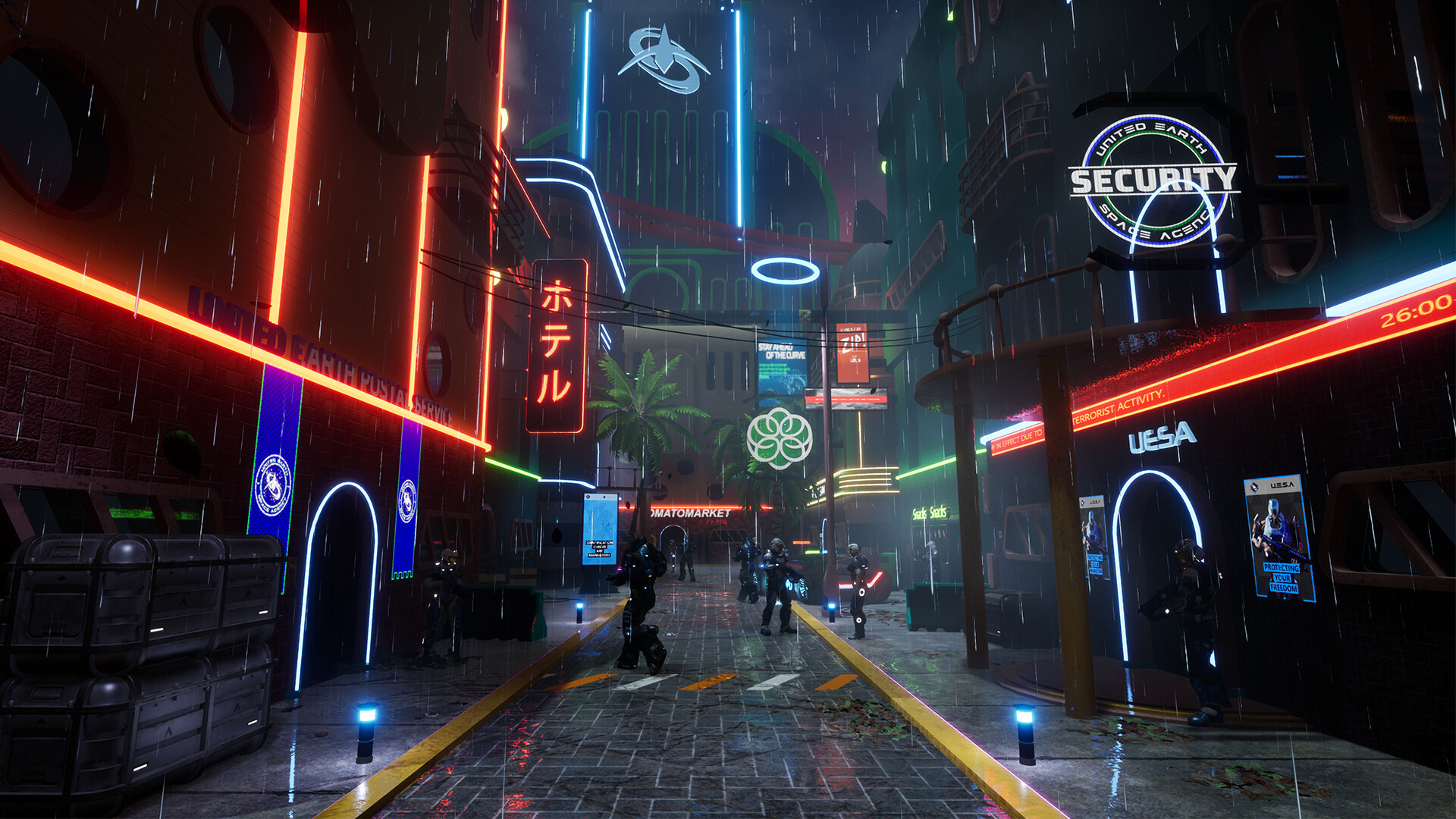
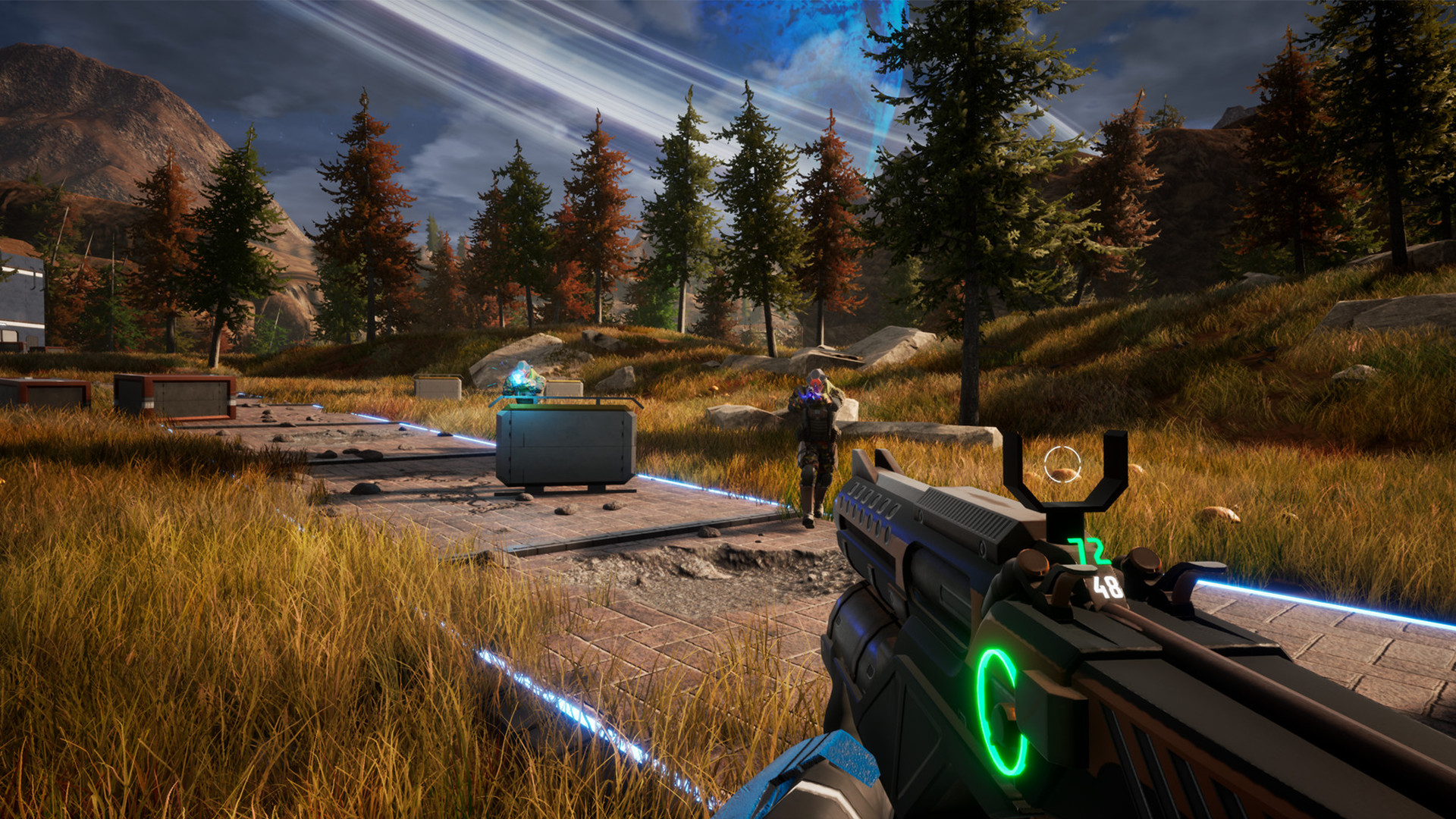
Within the Cosmos pushes that grammar to the edge. It is a single-player first-person RPG focused on choice, systemic play, and reactive quests; price about $14.99; Steam app 618330. The author writes publicly: this was the RPG he always wanted to play—layered, tinkerable systems, choices that truly change things; he learned as he went, rebuilt systems repeatedly, refined the vision year after year; he put time, money, and heart into it and structured life around the project; several publishers made good offers; he refused—to prove to himself he could carry a project from beginning to end.
Materials observation: Greenlight approval and release sit almost exactly eight years apart. This is not a cozy story of a weekend project that grew; it is a publicly pinned time arc—from the day the community voted you into the store to the day you actually handed the game over, nearly a decade of production ethics and life structure can be swallowed.
This is where default logic and production ethics diverge. The default asks whether you finished. Playability audit asks whether the finished object, in a stranger’s hands, will not be refunded for crashes in the first thirty minutes.
II. Smashing the Script: From “The RPG I Wanted to Play” to a Full-VO Open Hub
If many solos write scope control as virtue, debdev’s postmortem almost rewrites the cost sheet of the word ambition.
The scene can be made more concrete. Two betas; a small, committed tester group caught countless issues he would never have caught alone; his judgment: without them, reviews would likely have been Very Negative instead of Mixed. Yet launch still carried significant issues—on him, not them. Too many systems interacting for one person to fully test; he kept adding after beta; after making and playing too long alone, you play the “intended” path and glaring problems simply do not show. He thought it was ready. It was not.
The mechanism shows itself: voice acting elevated the game and ate a huge budget chunk—writing was generally praised, yet much intended spoken NPC content had to be cut; every extra spoken line cost money, so some outcomes were reduced and VO was written to apply across situations. Art direction, worldbuilding and in-game books, build experimentation earned praise players were willing to leave; bugs and crashes earned refunds players were willing to click. The industry default writes “open-hub RPG with full VO” as genre-correct; his budget admits that usually belongs to teams of hundreds with far higher budgets.
Old code shows itself too. Early unoptimized systems created long-term limits that fed bugs and crashes. Underestimated timelines let promised dates come and go—still bothers him. Delays and burnout made him quieter than he should have been; marketing was treated as something to do “after the game was done,” leaving no budget and little outreach, with development mode open right up to launch day.
III. Numbers Pin the Rhetoric: 810 Units, 2.2% Conversion, Refunds from 30% to 4.8%
Without numbers, “I learned a lot” slides into empty talk. Wishlist and refund curves nail rhetoric back to verifiable ground.
About ten months post-release: 810 units sold—enough to fund a smaller project, nowhere near enough to live on. Wishlists: ~30k added, ~12k removed, ~660 purchases from wishlisters, ~17.7k still outstanding; lifetime conversion 2.2% (Steam average he cites ~15.3%). Reviews Mixed since launch: praise for concept, ambition, art, writing; frustration with bugs and crashes. Refunds: ~30% first month, ~16% in August, ~4.8% in the latest month, total average ~14.7%—retention improving after patches.
The narrative force of these numbers is not how discouraging they look, but how they refuse to pretend. They do not hint victory is one breath away because 17.7k wishlists remain, nor rebrand Mixed as “actually fine.” He writes plainly: long development and repeated delays made players cautious; stacked with a buggy launch window, some first players never returned; for a solo with no marketing, the launch window is crucial, and first impressions matter more than post-launch fixes.
Another set of numbers matters equally: dozens of patches, including Update 2.2, fixing many launch bugs and adding community-requested features he had wanted at launch but could not include. It is far more stable and polished now; some jank remains, but it finally feels closer to what he set out to make. Reading “30% refunds month one” beside “4.8% latest month” changes the meaning: patches can redeem playability but rarely redeem a closed launch window. Finished can happen in patch notes; playable must happen in the first minutes after a stranger presses start.
IV. Backflow: After Admitting You Cannot Fully Test Solo, How Patches Rewrite Indie
The sharpest ending of the Within the Cosmos story is not 810 units itself, but the choice to keep supporting under the numbers, and to write the lessons into how the next project starts.
His list reads like an anti-ambition memo: test far longer than you think; keep scope realistic for team size; account for how long objectives actually take; silence kills trust—communicate even bad news; prepare emotionally for launch; set aside time just for marketing; bugs and crashes hurt more than design flaws—fix them first. For indie teams that list is especially stinging and useful. You may never ship a full-VO open hub, but you have your own “finish first, talk later” illusions: a system that “works when I play it,” a delay that “is fine if explained,” marketing that “can wait for launch week.” After the window closes, those illusions cost the most.
So indie can be redefined here. Indie need not equal refusing publishers or clinging to a nine-year dream; it can equal admitting that solo work cannot fully test complex system interactions, and that full-VO hubs usually do not belong to a one-person headcount—then still redeeming playability patch by patch, and proving with the next project’s scope that you actually heard yourself. Production need not equal the devotion aesthetic of “life structured around the project”; it can equal willingness, between Greenlight cheers and a Mixed launch, to write communication, testing, and marketing as production decisions equal to level design.
Close: Indie and Making, Redefined Inside “Finished ≠ Playable”
Put this postmortem back on the 2026 production floor and what it really strikes is not the shame of the word Mixed, but a quieter production laziness—assuming finished equals playable, assuming you can keep adding after beta, assuming first impressions can be patched back with changelogs, assuming indie glory only happens on the page where you say you refused publishers.
debdev’s counter-example is clumsy and expensive: eight years from Greenlight to release, two betas still launching with issues, dozens of patches driving monthly refunds down to about 4.8%, and the public line: I didn’t get the ending I hoped for, but I got experience, lessons, and the chance to try again. Clumsy, because it will not automate into “next time it will blow up”; expensive, because it spends real production decisions and public dignity, not only engine plugins.
Executable notes, short and honestly sharp:
- Write a “playability veto” list: which three crash/softlock classes must make the release date yield; they outrank new content.
- Run a cruel check on “can one person finish testing”: more system interactions mean more assumption that you will miss problems on the correct path—external testing is headcount, not courtesy.
- Write VO, open hubs, and full branching as cost items, not identity items; every extra spoken line should strike a writable branch.
- Put marketing and communication on a track parallel to levels, not “after done”; silence on bad news compounds as refund rate in the launch window.
Within the Cosmos is still on Steam; patches are still being written; the author has started the next project. Before wishlists decide whether to look back, the maker has already stated the audit standard: not “did I finish,” but “the first time a stranger plays, is it still playable.”

Sources and further reading
debdev, r/gamedev postmortem: Post Mortem: 9 years building the RPG I always wanted to play…