

If the default indie success story welds “someone loves it” and “someone shows up” into the same event—hot word of mouth, strong reviews, and a store page that supposedly grows traffic on its own—then the chart Aurélien Defossez of Videoludid (near Lyon) posted on r/IndieDev in autumn 2026 almost publicly tears that script apart: seven years of work, roughly three months after release, Randomice averages about forty daily players and the trend is not rising; in the same paragraph, strangers call it an all-time favorite and place it beside Hollow Knight: Silksong and Expedition 33 on GOTY lists.
That can sound like failure studies. What carries weight is his willingness to lay the failure on checkable ground—not “the reception is bad,” but “love arrived; reach did not”—and still promise monthly new challenges throughout 2026 for the fans who are already here, even knowing it does not bring new players in.
The through-image of this piece is “covenant” itself. It is not PR. It is a production ethic: when the store curve refuses you a romantic ending, a real maker does not first ask what updates can be cut, but which promises, once broken, would make that love stop being love.
I. Default Logic: Love Equals Reach, Praise Equals Distribution
The industry default is clean, and therefore cruel.
Makers are trained to read a launch in one vocabulary: wishlists, conversion, DAU, press coverage, streamer clips. Players learn the same vocabulary to forgive or condemn—“it didn’t blow up,” “it didn’t break out,” “the algorithm didn’t eat it.” The pact welds love and reach into one metric: if the game is truly good, it should be seen; if it is unseen, the love was probably self-indulgence.
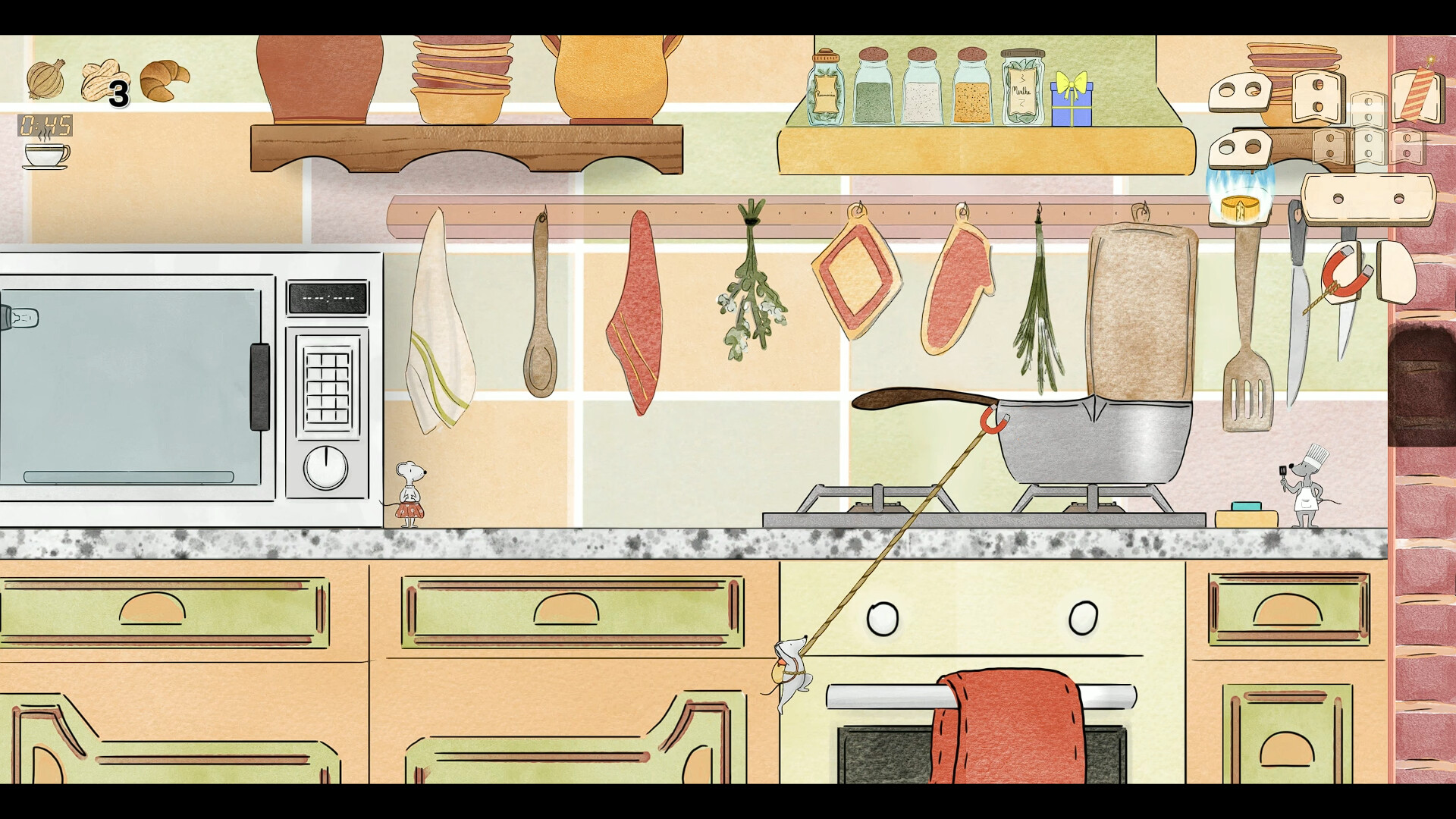
Randomice is among the hardest titles for that grammar to hold. It is not a combat Metroidvania but a combat-free Metroid-like stacked with an item randomizer designed for that experience: every run shuffles every upgrade; later challenges can shuffle rooms themselves and even move characters—to the fireplace, the garage, or the toilets. You must redraw the house’s reachability map from the tools you hold now—a magnetic grapple might open the kitchen sink first; another run might start with a rocket through the shower glass.
Per the author’s public statements and presskit: side-project start in 2018, inspired by the Ocarina of Time Randomizer mod; he wanted a game whose design and levels were born for this, not a randomizer taped on afterward. About half of the seven years were full-time; release 25 November 2025; publisher Abiding Bridge; hand-drawn watercolor look; Steam price about $12.99; materials observation shows Very Positive (~95%, low hundreds of reviews). By the default script, that set should feed a “small and beautiful will grow itself” fantasy.
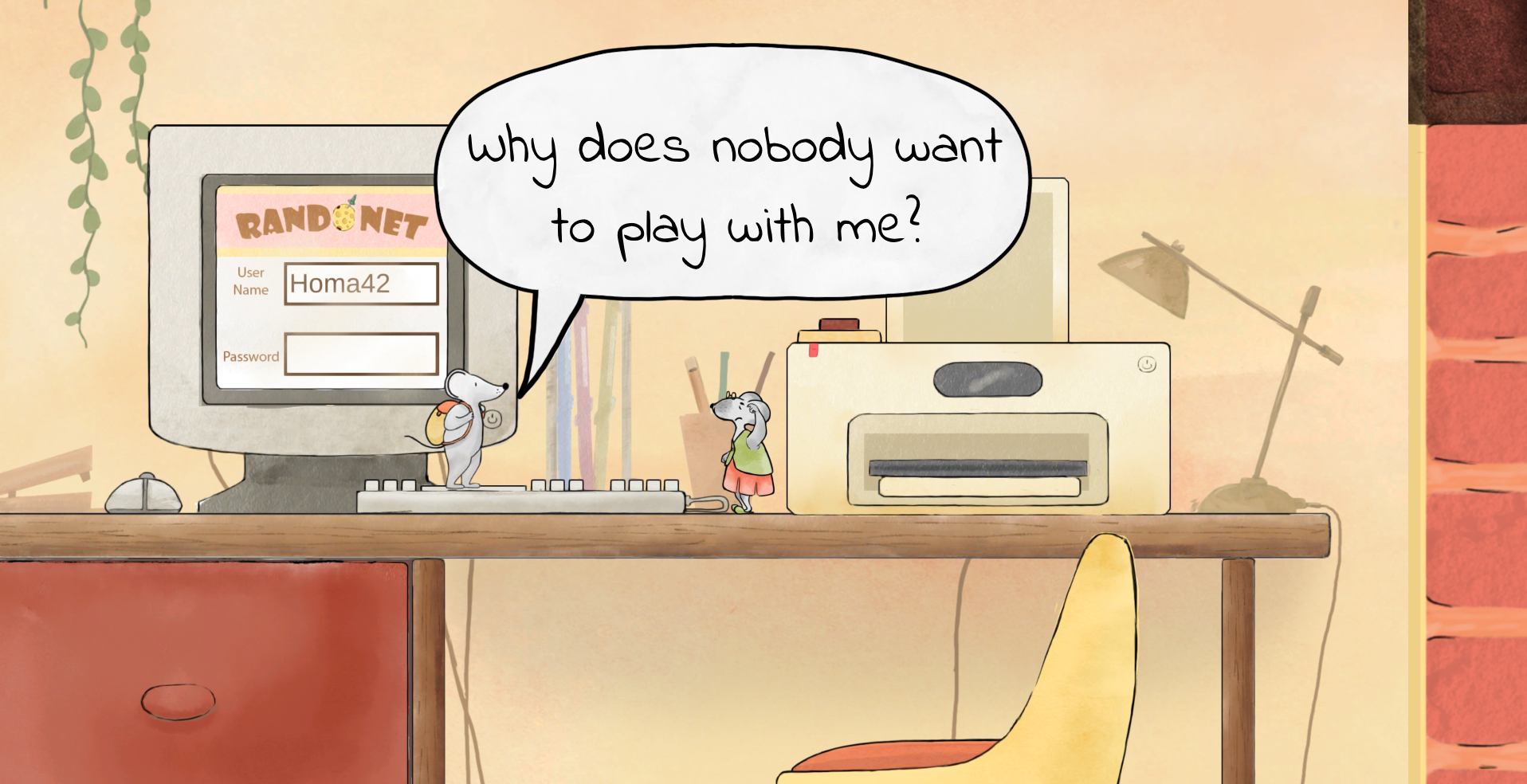
The scenes in his post refuse the fantasy: press largely ignored him outside France; dozens of streamers tried it (Ezekiel III, LaserBelch, SuperBrioche, Coffee, and others) without expanding the circle; even the core audience—randomizer communities—mostly never answered. Love is happening. Reach is not.
This is where default logic and production ethics diverge. The default asks how to be seen by more people. Covenant-style making asks whether the people who already see you are still treated honestly while visibility has not yet arrived.
II. Smashing the Script: From Mod Inspiration to a Whole House That Can Shuffle
If many indies treat randomizers as post-launch mods or bonus modes, Defossez’s public history almost rewrites where the word sits in production: game design and level design were built for shuffling from day one.
The scene can be made more concrete. The same items appear every run, always in a different order, so routes rewrite around what you find first. You deliver items among quirky fellow mice while updating a mental map: which rooms are reachable now, which path best raises the odds of finding every key and leaving fast. Later challenges pour rooms and characters into the random pool—the baby room may sit next to the workshop; Grandpa may no longer guard the fireplace. Speedrunners chasing a perfect route and laid-back explorers touring every corner are hosted by the same system.
The mechanism shows itself: this is not the add-on joy of shuffled chests, but exploration, tools, spatial memory, and character locations welded into one decision chain. Every reachability change must still feel like another truth of the same house. The industry default writes replayability as “more endings or more playthroughs”; Randomice writes it as “every start forces you to relearn the house.”
The presskit also pins checkable bounds: campaign about 12–20 hours, 30+ toward achievements, claimed endless replayability; English, Japanese, Simplified Chinese, French, Spanish, Brazilian Portuguese. Multiple artists (Leslie Fischbach, Margot Bonnefous, and others), key art by Mikaël Aguirre (Orioto), music by Lofskii & Friends. This is not the lonely myth of one person forcing a map through an engine; it is a small team building a watercolor house that can be shuffled forever.
III. Numbers Pin the Rhetoric: Forty DAU, Monthly Challenges, and “Not Going Up”
Without numbers, the crack between love and reach slides into empty talk. His r/IndieDev self-report nails rhetoric back to verifiable ground.
About three months post-release: ~40 daily players on average; trend not rising; he asks why the audience is so hard to reach; he admits he does not want seven years wasted but does not know how to make players come. In the same post, praise is concrete—strangers’ all-time favorites, GOTY lists beside year’s hottest titles—and the commercial line is equally concrete: it didn’t sell.
The narrative force of these numbers is not how bleak they look, but how they refuse to pretend. They do not smooth the crack with “it’s early” or “the long tail will come,” nor package fan service as acquisition. He writes plainly: monthly challenges are for fans; they do not bring new people. Nailing the target there publicly admits that the experience covenant to protect lives among the few dozen who already paid and loved it—not on the title screen or wishlist fantasy.
Materials observation (not playtested here): the Steam page sells combat-free play, watercolor art, fourteen randomized upgrades, and similar; reviews carry a Very Positive tag. Reading “Very Positive” beside “forty DAU” changes the meaning: review systems can acknowledge love without completing reach for you. Love is private between player and work; reach is a public event decided by distribution, press calendars, community gateways, and luck. Welding them shut is the gentlest and most violent industry myth for indie makers.
IV. Backflow: After Reach Fails, How Covenant Rewrites the Word Indie
The sharpest ending of the Randomice story is not the curve itself, but the choice to keep the covenant under the curve.
He posted, contacted press and streamers, registered for events, knocked on randomizer community doors—mostly to no avail. Then he did not withdraw the 2026 monthly-challenge promise. For indie teams that line is especially stinging and useful. You may never ship a shuffleable watercolor house, but you have your own “post-launch we can quietly shrink” list: a monthly update, a community reply, a bugfix priority. When the store page stops rising, that list is easiest to delete. Defossez’s public post admits: love has happened; reach has not; the blank between them cannot be filled by breaking promises.
So indie can be redefined here. Indie need not equal breakout hits or anti-algorithm luck; it can equal, after reach fails, still keeping the covenant with those who already arrived. Production need not equal endless growth; it can equal willingness to spend limited production decisions first on people who already voted with love—even when that looks unlike the correct option in a growth-hacking handbook.
Close: Indie and Making, Redefined Inside “Love ≠ Reach”
Put this post back on the 2026 production floor and what it really strikes is not the shame of “it didn’t sell,” but a quieter production laziness—assuming praise becomes DAU by itself, assuming press silence is only luck, assuming fan updates can double as acquisition funnels, assuming indie glory only happens in the week wishlists explode.
Videoludid’s counter-example is clumsy and expensive: seven years redesigning for randomizer, post-release still opening the forty-DAU ledger, monthly challenges that do not stop because they do not acquire. Clumsy, because it will not automate into a growth formula; expensive, because it spends real production decisions and emotional labor, not only ad budget.
Executable notes, short and honestly sharp:
- Write two lists separately—“who will love” and “who will come”—press, community gateways, streamer niches, randomizer circles; do not assume love auto-trips into reach.
- Run a “is the door actually open” check on your core audience: unanswered pitches and event applications are product information, not background noise.
- If you choose covenant updates after launch, say whether they serve fans or acquisition; do not pretend the former’s labor is the latter’s result.
- Mark “Very Positive but DAU flat” as a case study, not personal shame—it exposes distribution structure, not only your design document.
Randomice is still on Steam; the house can still be shuffled; the author still ships monthly challenges. Before the curve rewrites the ending, the maker has already stated the audit standard: not “did it blow up,” but “for those who already came, is the covenant still intact.”
