

If the indie spectrum has nearly turned “enough wishlists means sales” and “Popular Upcoming equals one foot in New & Trending” into discovery gospel, then the postmortem Platinumstraight of Twistedline Games posted to r/gamedev in summer 2026 nearly smashes that default script in public: about five years of work (with some contractor help), ~16,000 wishlists before launch, a brief Popular Upcoming appearance; roughly 600 copies sold after launch, about half from wishlists, conversion around 2%—the author himself marks that as “extremely low.”
That sentence sounds like another “wishlist inflation” old story. What carries weight is the willingness to cash rhetoric into a verifiable timeline: within the first few hours several negatives dropped the rating to Mostly Negative and killed most launch momentum before launch had properly begun; the rating later climbed to Mixed, then Mostly Positive, then fell back to Mixed; he shipped several updates fixing progression clarity, improving guidance, smoothing the experience—and still wrote a near-cruel conclusion: **improving the game does not undo the launch once first reviews and impressions are already there; once traffic drops, original launch reviews keep defining the game for most store visitors.** This piece has not playtested the finished game; scenes and figures below are observations from the author’s public postmortem and the Steam store page.
The through-image of this essay is **weight** itself. It is not an abstract noun; it is production ethics: you can spend years on environments, systems, story, voice, music and sound design, but one unclear progression step can matter more than all of it—because it decides whether the player ever reaches the years you built afterward.
I. Default logic: wishlists = insurance; Popular Upcoming = launch engine
Industry default logic is clean—and therefore lazy.
Since wishlists became indie discovery’s common currency, teams usually open a familiar menu: grow the list, hit festivals, grab atmospheric horror shots, watch the Popular Upcoming carousel. Players learn the same vocabulary—“list is long enough,” “featured,” “conversion should be about ten percent.” That pact turns “successful warm-up” into forgivable industry grammar and turns the list into an illusion: as if pre-release interest stock could automatically cash into launch-week traffic and praise.
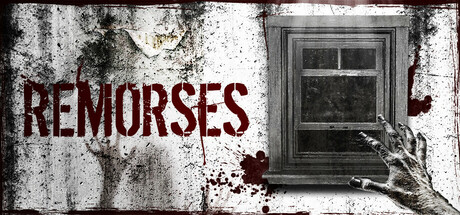
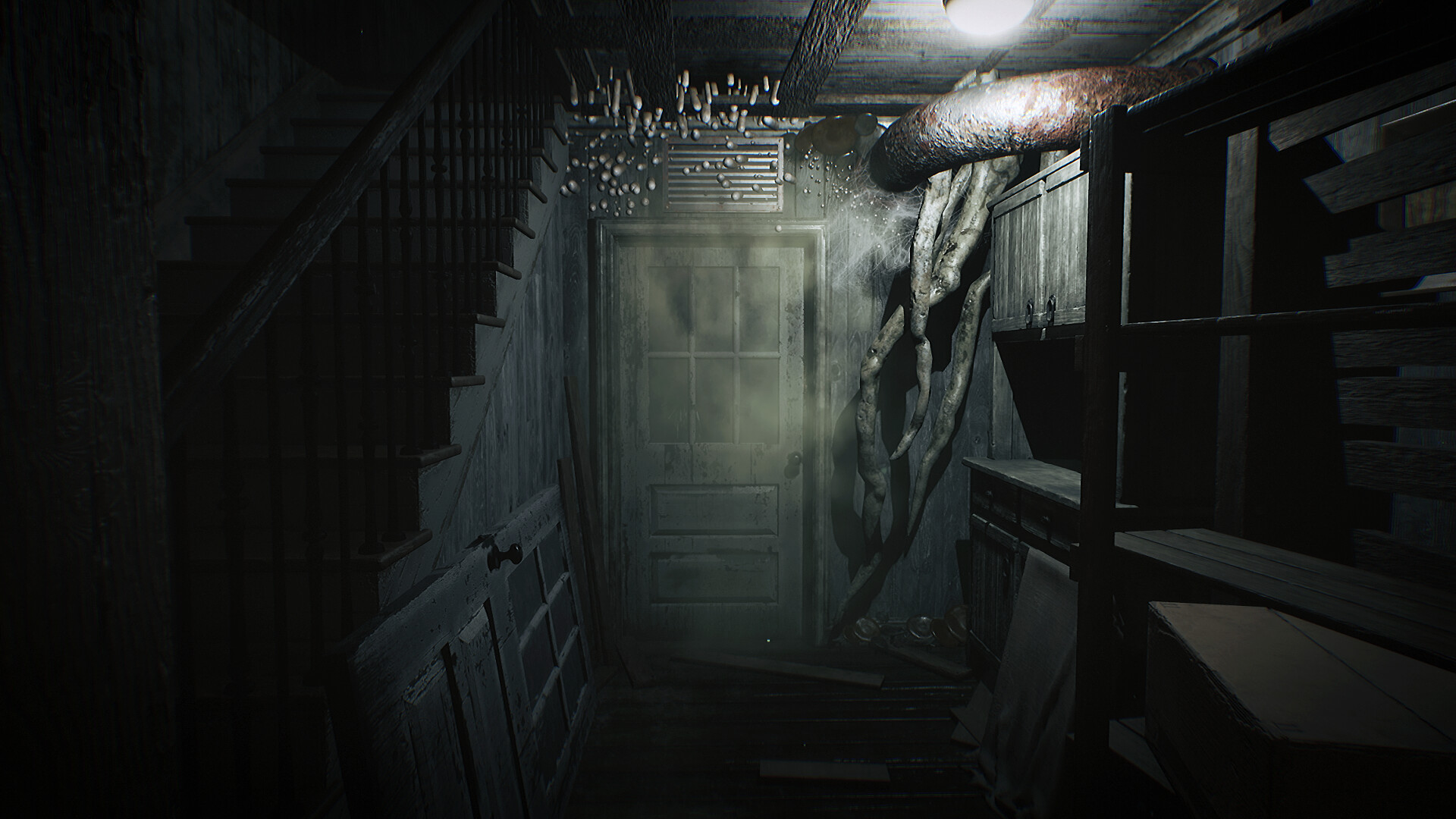
*Remorses* is exactly the kind of work that grammar can read—and betray. The store page is blunt: 1991, investigate witchcraft rumors at Westbrook Mansion; the air is slowly killing you; open windows to survive. Price $14.99. Release June 2, 2026. Slow-burn psychological horror: exploration-heavy, no combat, sanity managed by opening windows, mixed with logic, visual and auditory puzzles. The author made it as a challenge to create something this large mostly on his own—and he did: the game exists, it is substantial, and many people have genuinely enjoyed it.
Platinumstraight’s postmortem refuses to let “the list was already enough” excuse him. He writes plainly: a failed launch, what he thinks caused it, what happened in the first hours, what he learned—a story of how years of effort and pre-release momentum can be commercially wiped out within hours. What is protected is not “I could still sell,” but “I will lay the ugliest conversion rate out for the next person holding a big list.”
Here default logic and launch ethics fork. Wishlist default asks: is the list long enough? Honest launch asks: when the list converts to buys, which side are the first reviews on, is progression clear enough for strangers to continue, and is marketing recruiting people who expected a different game?
II. Breaking the script: not a big crash, but the illusion that “you already know the next step”
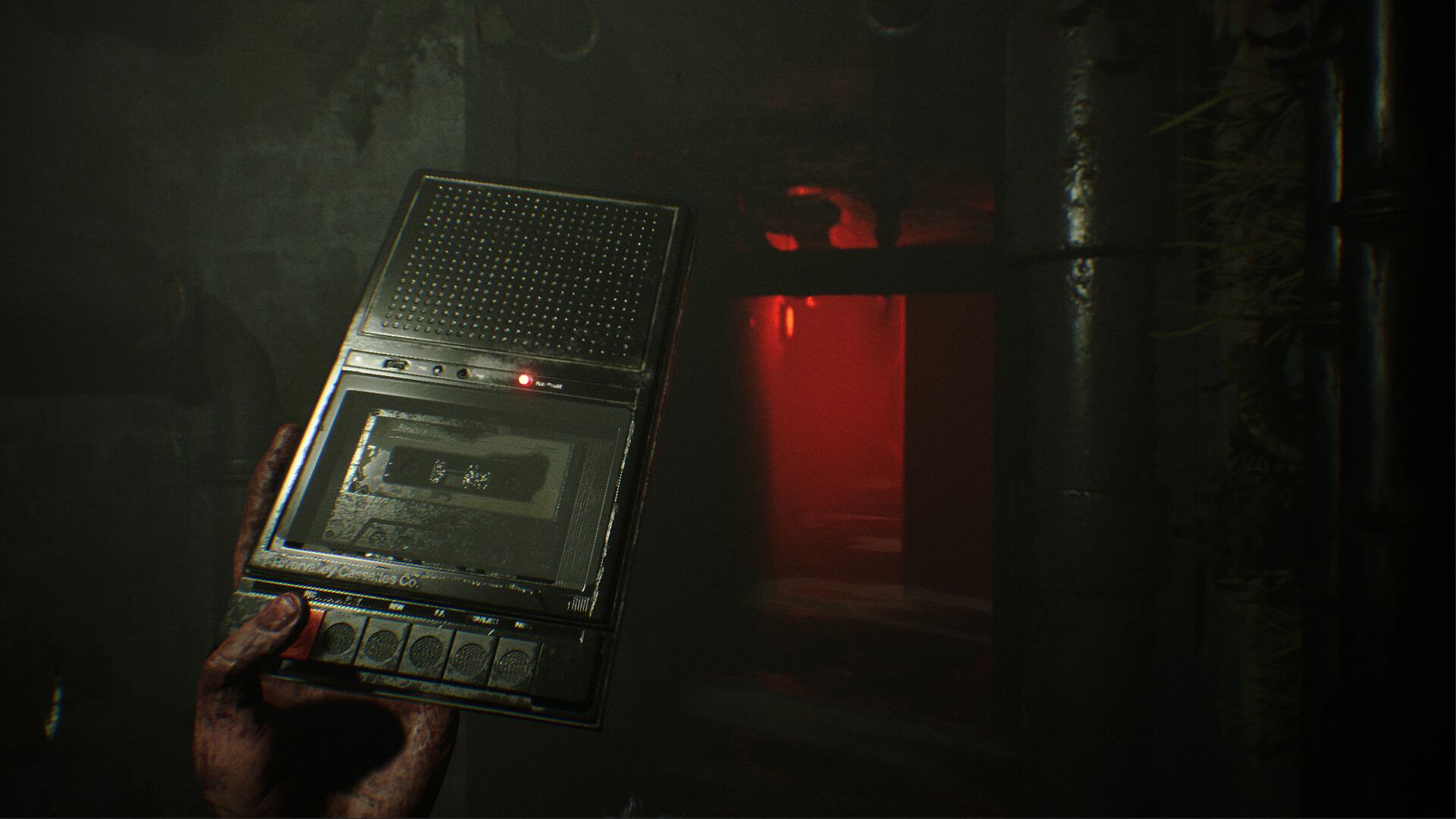
The sharpest scene is not a crash log but a clarification written like labor history: the main problems were **not** crashes or major technical bugs; some progression steps were simply not clear enough. Required objects were too easy to miss; players could search too long without knowing what they had missed or what to do next.
In development those issues “felt nonexistent” beside the whole mansion, systems, and story—light as dust. To a player who could not continue, they were not small at all. The hardest lesson is one word: **Clarity**. It sounds obvious, “and it kinda is”; the hard part is that you already know where everything is and how every part should work, and even your “now this is clear” may not be enough at all.
The mechanism shows: development effort is not weighted equally. You can spend years on environments, systems, story, VO, music and sound, but one unclear progression step can matter more than all of it because it decides whether the player reaches the rest. Industry default scores effort by asset volume and hours; this postmortem flips the board—in launch hours, the step that stalls progress is more expensive than your proudest mood shot.
That recalibrates “polish.” Polish here is not another material pass; it is letting a stranger keep moving without knowing your design intent. Every guidance line, highlight, and “what’s next” cue must be checked against the same exploration—not only against the muscle memory of the path you already walked.
III. Numbers pin the rhetoric: two percent, Mostly Negative, and “fixes cannot erase launch”
Without the timeline, “failed launch” slides into empty talk. His figures and states nail rhetoric to ground.
First, conversion. ~16,000 wishlists, ~600 sales, about half from wishlists, ~2% conversion. Many first launches treat ~10% first-week wishlist conversion as a rule of thumb; 2% is not “a bit low”—it is what he marks extremely low. Popular Upcoming and a long list do not auto-cash into purchases.
Second, rating dynamics. First-hour negatives pushed the score to Mostly Negative; fewer people seemed willing to try, so fewer new players and fewer chances for positives, while each new negative weighed heavily while the total count was still tiny. The rating later rose and fell again—updates fixed clarity and guidance, the experience smoothed, yet early impressions on the store page kept speaking for the game. He writes coldly: improving the game does not undo the launch; the updated version still needs new people to buy and play; once traffic drops, original launch reviews continue defining what most visitors see.
Third, expectation mismatch. He believes some players expected something closer to conventional survival horror, while *Remorses* is slower, exploration-focused, and combat-free. The store page said so, but stating something clearly does not always mean overall marketing communicates it well enough—trailers, screenshots, tags and presentation may still recruit another set of expectations. He also stresses: the criticism remains valid; clarity problems were real; players may dislike the game for any reason. But if the first cohort expects a different experience, their reviews can also discourage people who might have connected with what the game was actually trying to be.
Narrative force is not misery; it is refusal to pretend. It does not hide behind “horror is hard,” nor treat negatives as fate. It admits: what kills a launch is often a few first-hour reviews plus one unclear progression step, stacked on a still-thin review pool.
IV. Backflow: finish and success split; “mostly solo at this scale” no longer auto-equals commercial standing
If the story stopped at “clarity matters,” it would be another common-sense poster. Platinumstraight also splits two achievements.
He originally made the game as a challenge to create something this large mostly on his own—and he managed that. The game exists, it is substantial, many have enjoyed it. But finishing an ambitious game and succeeding commercially are two very different things. He is not claiming perfection or unfair criticism—there were real problems, and he understands why players reacted. He wants to share how quickly those problems can hit a launch even with years of work and real interest behind it.
For indies, the split is sharp and useful. You may never hit Mostly Negative in hour one, but you have your own “already clear enough” list: whether a key object is only obvious to you, whether a no-combat pace is cut like chase horror in the trailer, whether launch-day hotfixes add content instead of “what’s next.” A big list will not run external-perspective tests for you; Popular Upcoming will not erase early reviews.
Close: indie and launch, redefined inside weight
Put this postmortem back into the 2026 indie floor and what it hits is not the reputation of “wishlists don’t work,” but a quieter production laziness—assuming warm-up stock replaces first-hour experience, assuming asset thickness replaces progression clarity, assuming post-launch patches can erase a first impression already set on the store page.
Platinumstraight’s counterexample is clumsy and expensive: 16,000, 600, 2%, Mostly Negative, clarity, no-combat expectation mismatch—all in one public post. Clumsy because it will not automate into an empty “market more next time” summary; expensive because it spends face, not only ad budget.
So “indie” can be redefined here. Indie need not mean a long enough list or a big enough build; it can mean, when the list is longest and the build heaviest, still asking whether a stranger can get through hour one. Production need not mean another atmosphere pass; it can mean lifting progression clarity to the same veto level as VO, music, and spaces—or higher: the years players never reach are as good as unmade.
Executable prompts, short and honestly sharp:
- Write your “author-already-knows” list: which five progression steps only you walk smoothly; blind-test with people who never saw the design doc, only allowed to ask “what do you want to do now.”
- Treat the launch-day review pool as its own project: the goal is not “someone played,” but “does the early sample represent the players you actually want”; cut expectation mismatch at trailer and tag layer.
- Put wishlist conversion into the audit, not into self-comfort—2% and 10% are not the same story; Popular Upcoming is not an insurance policy.
- Post-launch updates can save people but cannot rewind a first impression already written; therefore pre-launch clarity priority must beat “one more scene.”
Sixteen thousand wishlists, about two percent conversion, Mostly Negative in the first hours. Before starting the next game, the maker already fixed the audit standard: not “is the list enough,” but “is hour one still clear for a stranger.”
Xiao Guang
