

If the indie spectrum often treats literary themes and the “cozy” tag as a gentle shortcut—scarce subject matter, cute art, wishlists that supposedly grow themselves—then the two-week postmortem solo developer EssyTheSlug posted to r/gamedev in the summer of 2026 nearly rewrites that default script in public: a microbiology degree, spare-time hours, no publisher and no funding; *Author Sim* at $8.99 sold 820 copies in two weeks, with 82 returns (~10%), about $7,047 gross and $5,812 net; launch wishlists at 5,175 rising to 7,069; average playtime about one hour twenty-two minutes; 87% positive from 24 reviews at the time.
That sentence sounds like another “hobby first game did fine” old story. What carries weight is the author’s willingness to cash rhetoric into a verifiable discovery ledger: Steam’s Personal Calendar contributing roughly 15,000 visits and 2,500 wishlists; InterfaceX26 at about +400 visits and +400 wishlists; Next Fest at about +300 demo plays and +350 wishlists; a GamesTrailers trailer posting with ~13,000 views for ~450 wishlists; and the messy scene of “fixing a crash at midnight and patching in a bigger crash.” This piece has not playtested the finished game; scenes and figures below are observations from the author’s public postmortem and the Steam store page.
The through-image of this essay is **alignment** itself. It is not PR copy; it is launch ethics: when a subject looks scarcest and “cutest,” what decides whether players stay is rarely the tag alone, but whether you will line up expectation, difficulty, and discovery channels on the same table.
I. Default logic: scarce subject = safety net; hobby project = low-risk trial
Industry default logic is clean—and therefore lazy.
Since “blank genre space” on Steam has been rewritten as motivational talk, teams usually open a familiar menu: find a lightly contested theme, hang cozy / management / roguelite tags, grab cute UI shots, and wait for “people who really love books” to find the page. Players learn the same vocabulary—they say “finally someone made this,” “looks comfy,” “niche can live.” That pact turns “hobby project” into forgivable industry grammar and turns scarcity into an illusion: as if blankness itself could finish discovery and expectation management for you.
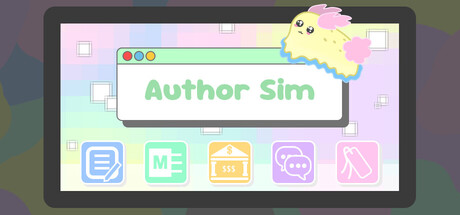
*Author Sim* is exactly the kind of work that grammar can hold—and injure. The store page is blunt: study other authors’ masterpieces, craft stories, maintain a public profile, chase the dream of becoming a world-renowned author. Price $8.99. Release date August 12, 2026. The author says book/author games are few; as a book lover she found that tragic, so she made her own. No programming background—degree in microbiology—spare-time hobby; she never expected to publish, then decided to put it on Steam because why not.
EssyTheSlug’s postmortem refuses to let “blank genre” excuse her. She writes plainly: the game only works for people who like books, word/typing play, the cute art, *and* a decent challenge; she knows that disadvantages it, and she did not want to gut the direction to please most players—and because she was not financially depending on it, she could afford that stubbornness. What is protected is not “niche = safe,” but “I will lay the two-week numbers out for the next hobby launcher.”
Here default logic and launch ethics fork. Scarce-subject default asks: is the blank big enough? Honest launch asks: what do people inside the blank actually expect, how much do festivals and calendars add to the list, and will you admit after launch that expectations once misaligned?
II. Breaking the script: pull “cozy” out of the tag, write difficulty back into the pitch
The sharpest scene in the postmortem is not a failure curve but an expectation mismatch written like a labor diary: cute art, promoted as cozy, many players expected something more relaxing; what they got was a management roguelite that takes multiple attempts to win. She leaves a hard self-correction: “My definition of cozy clearly did not line up with most of the cozy community’s. My bad.”
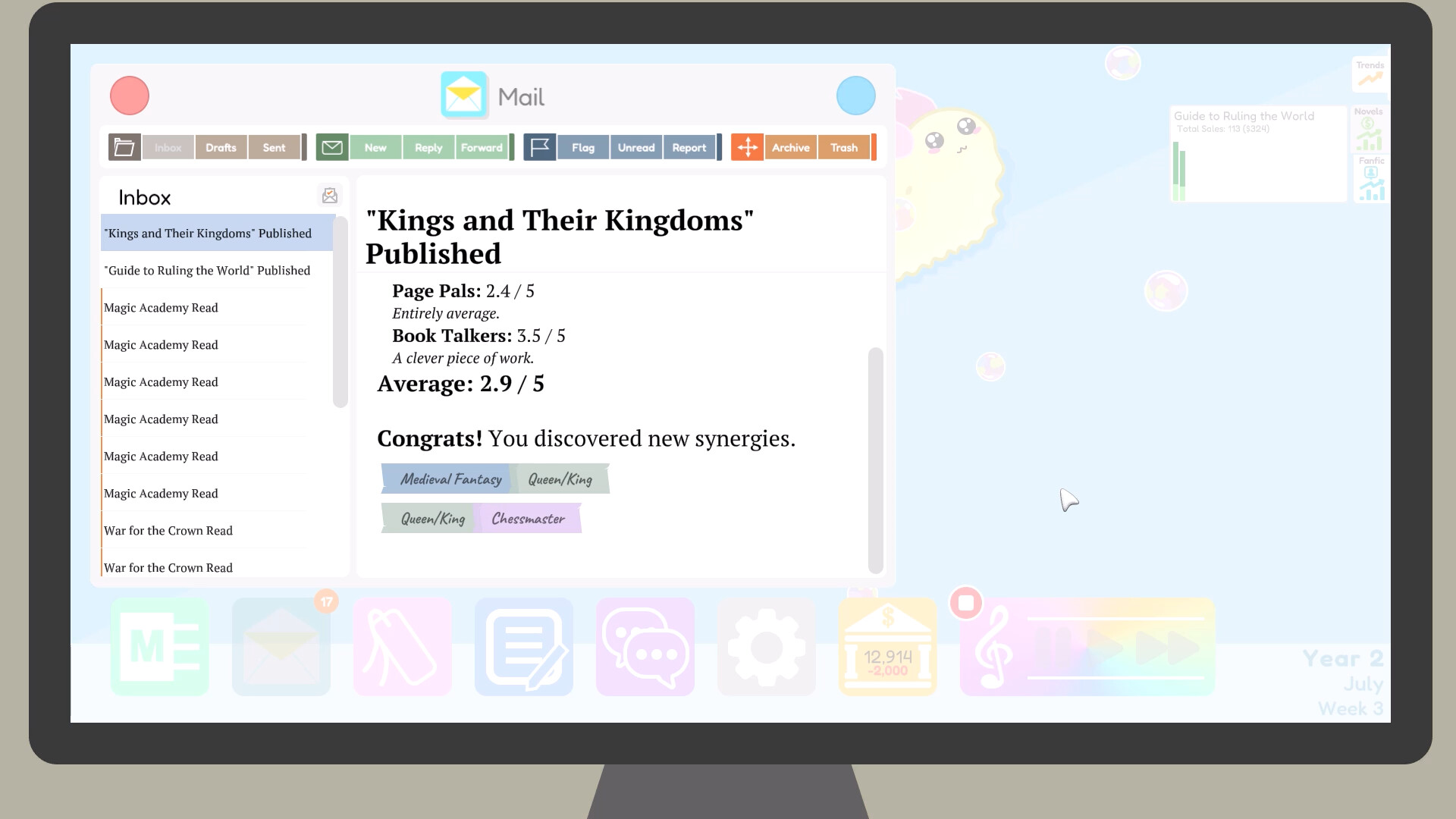
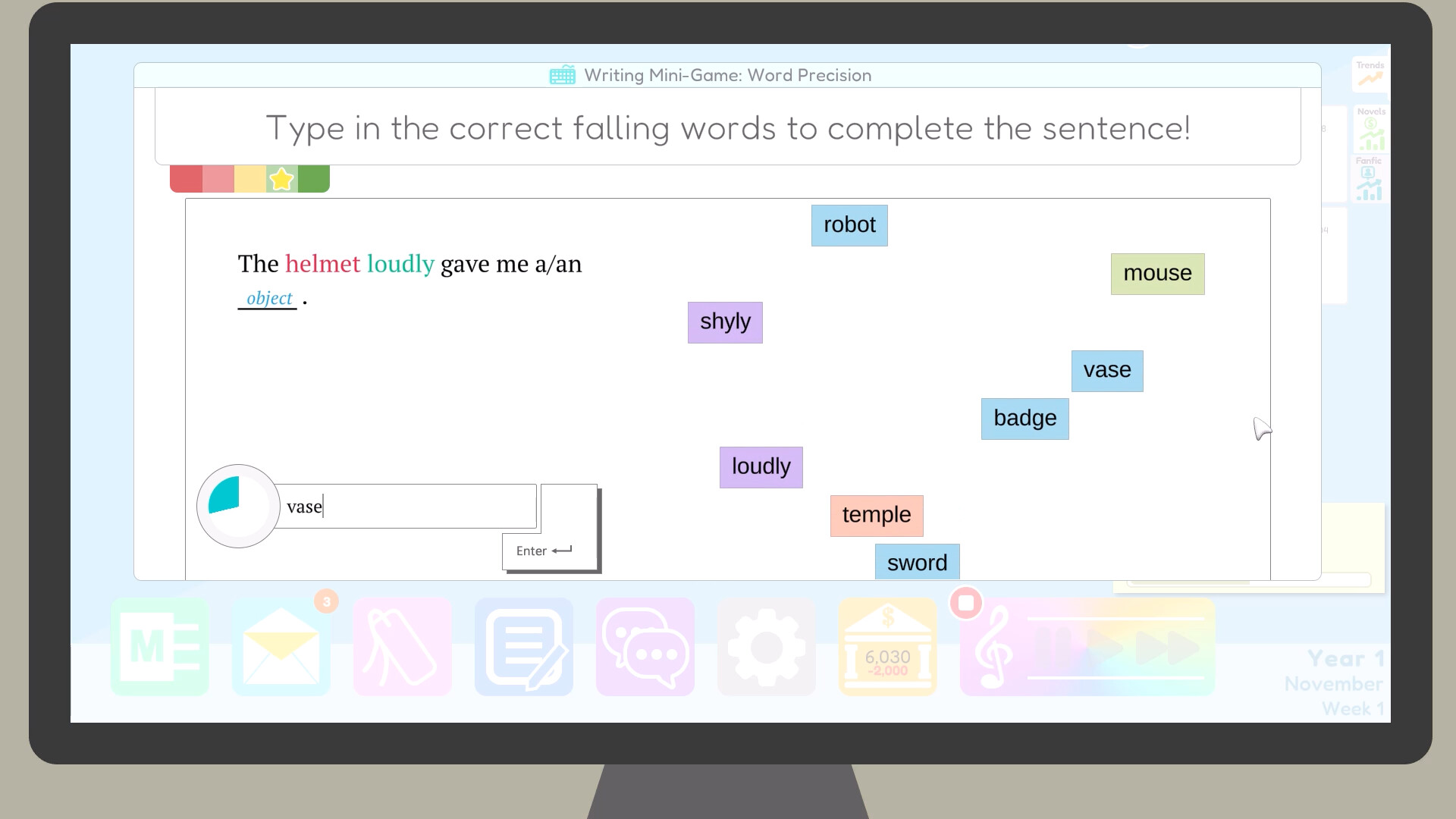
The response was not “it’s still cozy.” She changed product and pitch together: easier difficulty, lowered mini-game difficulty, and shifted promotion from “rather cozy” toward “management roguelite.” She judges that helped re-stick expectations to the real experience. Tutorial friction was torn open by feedback—some players mistook “poorly explained” for bugs—so she revised tutorial text many times, added a trial run for first-time mini-games, information panels, mini-tutorials on new systems, and hover explanations for locked options.
The mechanism shows: a tag can be nailed to the store page; expectation will not auto-follow. Cozy can get you into festivals and communities; it can also send “people who wanted to unwind” into a fail-and-retry loop in hour one, then write disappointment as reviews. Industry default splits marketing adjectives from gameplay difficulty; this postmortem welds them back—every adjective you shout must be checked against demo and full release.
III. Numbers pin the rhetoric: Personal Calendar, festivals, GamesTrailers, and “do not fix bugs at midnight”
Without channel detail, “seven thousand dollars in two weeks” slides into empty talk. Her Pre-Release and Post-Launch lines nail rhetoric to ground.
First, discovery weight. She entered every relevant Steam festival she could: InterfaceX26 hit hardest (~+400 visits, +400 wishlists); Next Fest “wasn’t as big as I thought, but it wasn’t nothing” (~+300 demo plays, +350 wishlists). Social was weak overall—she made a trope-guessing short series at a few hundred views each and later judged the content time not worth it for promotion. What hit hard was Steam’s Personal Calendar: “amazing for discovery (~+15K visits)”; wishlists surged in the weeks before launch, which she attributes largely to the calendar (~+2.5K wishlists) when little else was pushing. GamesTrailers posted the trailer: ~13K views, ~+450 wishlists. She cold-emailed ~20 creators; none covered the demo; a few small creators she never contacted still played it.
Second, feedback pipes. The demo had an in-game bug form (to a Google survey) and a feedback button to a pinned Steam forum thread; she got detailed suggestions and implemented selectively without breaking her intended direction. Her husband playtested for many hours—“not his type of game”—as brainstorm partner and bug catcher. She kept the demo up after launch so players could decide if they even like this kind of game.
Third, the night after launch. Within two days someone reported a game-breaking bug; rushing the fix, she accidentally introduced a bigger game-breaking bug in the patch. Extremely stressful; she pushed another fix quickly. The TLDR line reads like a production vow: **Do not attempt to fix bugs in the middle of the night, even when you think you are not tired—you may wake to a pile of reports and several upset players.**
The narrative force is not inspiration; it is refusal to pretend. It does not claim niche subjects automatically find the right people, nor treat Personal Calendar as a universal button. It admits: what grew the list was often festival slots, calendar exposure, a trailer repost; what nearly smashed trust was a commit made while she thought she was still clear-headed.
IV. Backflow: success criteria for a hobby project, and the cold condition for “I will do it again”
If the story stopped at a channel checklist, it would be another marketing memo. EssyTheSlug also writes how she defines success.
Expectations going in were not high: make the dream game, hope a few strangers enjoy it. Results made her “extremely happy”—people talking, people with 20+ hours, people catching little references. She will absolutely do it again; game two is already in brainstorming. That sounds like closing soup until it sits beside the ledger: 820 copies, 10% refunds, 87% positive, not depending on the game to live. Success here is not “it blew up,” but “inside niche boundaries, strangers still understood it, and the numbers are honest enough to show the next person.”
For indies, the pairing is sharp and useful. You may not get a well-timed Personal Calendar boom, but you have your own “already good enough” list: whether a tag is lying for you, whether social shorts are burning hours that belonged to playtests, whether a post-launch night fix is replacing regression with adrenaline. Scarcity will not align expectations for you; calendars will not guard patch quality.
Close: indie and launch, redefined inside alignment
Put this postmortem back into the 2026 indie floor and what it hits is not the reputation of “cozy can’t be hard,” but a quieter production laziness—assuming blank genre replaces expectation management, assuming hobby status skips discovery audit, assuming post-launch chaos can be waved away with “I’m only part-time.”
EssyTheSlug’s counterexample is clumsy and expensive: 5,175, 820, 10%, Personal Calendar, InterfaceX26, GamesTrailers, cozy mismatch, midnight patch—all in one public post. Clumsy because it will not automate into inspirational summary; expensive because it spends face, not only marketing budget.
So “indie” can be redefined here. Indie need not mean avoiding hot tags; it can mean, inside the gentlest tags, still asking what players think they bought. Production need not mean packing the store page with literary gags; it can mean changing difficulty pitch for expectation, adding trial runs for tutorials, leaving a formal bug door—and on the hardest night, treating “don’t commit” as a harder rule than “fix it fast.”
Executable prompts, short and honestly sharp:
- Write your “tag illusion” list: which three adjectives make you think expectation will auto-align; puncture them with demo comments (relax? challenge? collect? narrative?).
- Treat festivals, calendar, and trailer reposts as auditable channels, not fate: log visit and wishlist deltas; budget next time by delta, not by “felt busy.”
- Social content has opportunity cost—if a piece gets a few hundred views, return the hours to playtests and tutorials.
- Post-launch patches need a hard gate: critical bugs can rush, but night fixes must regress next day; “I’m not tired” is not a test result.
Five thousand one hundred seventy-five wishlists, eight hundred twenty copies, one midnight patch. Before brainstorming game two, the maker already fixed the audit standard: not “is niche safe,” but “are my expectations, channels, and commits still aligned.”
Xiao Guang
