

If the default indie narrative always writes “unique” as a virtue—weld two beloved genres together and the store page will endorse you with “world’s first,” while the community forgives every learning cost as “daring”—then the demo post-mortem that solo developer Clinton Hughes (Reddit: Big-Hold-7871) posted on r/IndieDev nearly tears that script apart in public: about half a year of development, everything except model assets built from scratch; a month-long game jam (theme: Evolution) that he won, then expanded into a roughly hour-long demo with two major boss fights; a fusion of *Metroid Dread*–style 2.5D fixed camera and *Returnal*–style 3D shooting that he named the “Omni-shooter”; and at the time of writing, a Steam demo with a single review, players stuck on level progression, Let’s Plays abandoning the run—never reaching the bosses he thought were the best parts.
That sounds like a warning to quit. What carries real weight is that he is willing to lay the failure out in a felt scene—not “players don’t get ambition,” but “the pink flowers are still glowing, and people still don’t think to move toward the camera”—and still write: I believe in risk-taking, but there is such a thing as too different; I still love the concept and story; the silver lining is that nobody disliked the game itself—they just couldn’t get into it.
The image that runs through this piece is those bright pink flowers. They are not level decoration; they are a production ethic: when a new genre first asks players to relearn body memory, even the brightest waypoint is only a reminder in a dead angle—and the best bosses may never be reached.

1. Default logic: unique equals justice, new genre equals a progress bar
The industry’s default logic is clean—and therefore wounding.
Indie culture is often fed by the same vocabulary: a jam win proves “the concept works”; genre fusion proves “I’m evolving”; a store line that says “world’s first X” proves “I’m for real.” Players learn to read such games in the same tongue—“has attitude,” “dares to try,” “support the solo.” That pact turns “unique” into a charm that forgives everything: if you invented a new play language, getting stuck should be understood; if the camera looks like a side-scroller, the 3D movement curve should be romanticized as “depth.”
*Paradox Patrol* pushes that grammar to the limit. On Steam, the main game (app 3736090) is marked Coming soon; developer Clinton Hughes, publisher Vidmanica Studio; the demo (app 3761490) launched on March 6, 2026. The store copy says it celebrates genre history and innovates with “the world’s first 360 side-scroller”—while the post-mortem calls it, more plainly, an Omni-shooter: the camera stays fixed to the character like a 2.5D side-scroller, yet you can move and shoot in full 3D space. Source observation (not playtested here): this is not a gentle “new skill” iteration; it is a synthesis that asks players to rewrite their spatial intuition.
This is where default logic and production ethics diverge. The default asks: are you unique enough? The barrier audit asks: when a stranger first picks up the pad, will they still have time to learn “explore toward the camera” before your bosses ever appear.
2. Breaking the script: from jam Evolution to half a year of Omni-shooter
If many solo projects treat a “winning concept” as the finish line, Hughes’s path almost rewrites the cost sheet for the word “confidence.”
The scene can be made more concrete. The game began as a month-long jam entry on the theme Evolution; to his surprise he won, and confidence pushed him—maybe the idea was worth fleshing out. He welded two favorites: *Metroid Dread*’s 2.5D fixed camera and *Returnal*’s third-person shooting. Over about half a year, aside from model assets, he built the rest from scratch; produced a roughly hour-long demo with fully fleshed mechanics and two major bosses; posted videos on YouTube and released it on Steam.
The mechanic shows itself here: Evolution was cashed out as “genre evolution”—not a character leveling in the story, but a change of generation in the control language itself. The store page writes celebration and innovation; the post-mortem writes another truth: he spent months reinventing the wheel to create a new gameplay genre, and alienated players because it wasn’t what they were used to control-wise. The industry default draws “jam win → full demo” as the correct arc; the author admits, via his own playlists, that the arc can stop at a Let’s Play stuck point, with the boss-room door never pushed open.
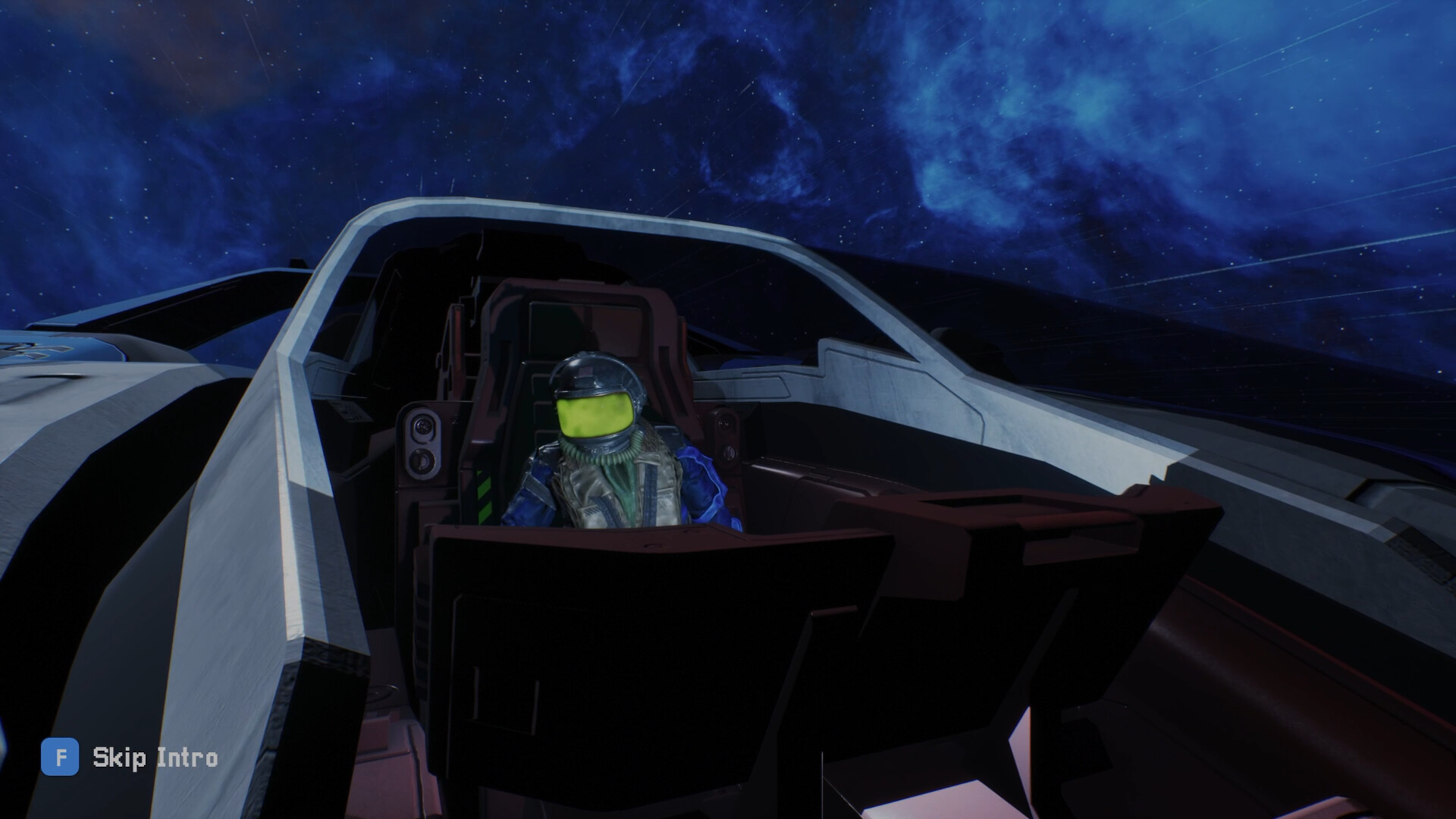
3. The flowers still glow: how the dead angle toward the camera blocked two bosses
Without a concrete scene, “too different” slides into empty talk. The stuck footage Hughes describes nails the rhetoric back to ground you can feel.
At the time of writing, the demo had one single review. The few who played really struggled to grasp the controls—because they differ from most games. Sharper still: most people could not figure out how to progress through a certain part of the level, even though bright pink glowing flowers acted as waypoints for where to go. A couple of Let’s Plays hit YouTube, but they all got stuck at that point and gave up; they never reached what the author thought were the demo’s best parts—the two bosses.
His own diagnosis reads almost like a production lecture: people aren’t used to a game that looks like a side-scroller but gives full 3D movement, so they aren’t accustomed to thinking, “Oh, maybe I should move toward the camera to explore.” The flowers glow; the waypoints sit in the right places; failure happens in the mismatch between body memory and screen grammar—the eye reads a side-view scroll, while the muscles are asked to orbit in third person. The new genre collects a ticket called “relearn how to walk” before any boss is allowed to appear.
The narrative force of this scene is not how discouraging it is, but how it refuses to pretend. It does not call the stuck point “successful difficulty design,” nor one review “high art for the few.” He writes plainly: in a space that moves at breakneck pace, with hundreds of indie games releasing every day, people would much rather play something they’re comfortable with; asking them to take the time to learn how to play is too big an ask.
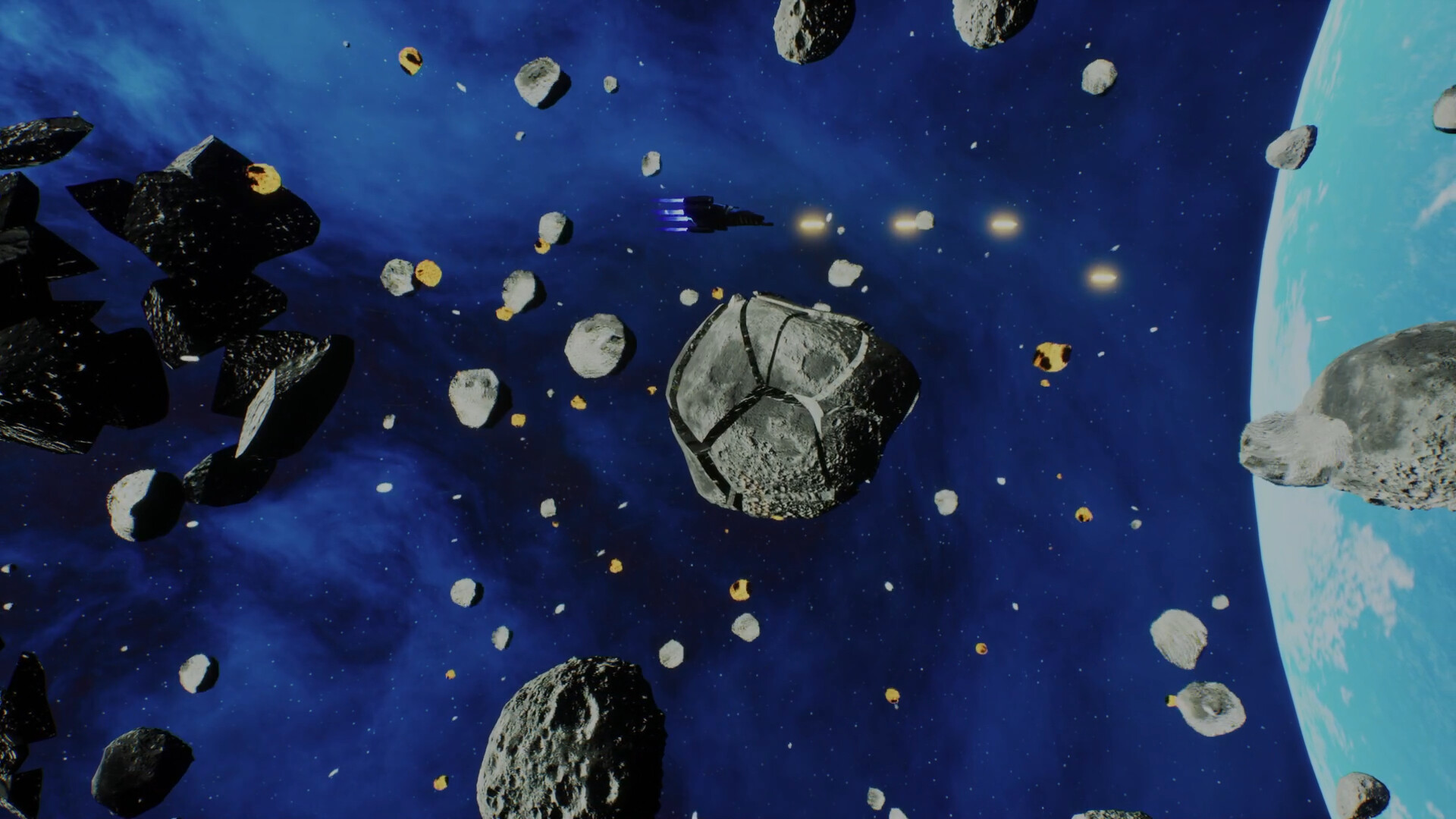
4. Silver lining and reset: nobody hated the game, yet the Omni-shooter must go
The sharpest ending of the *Paradox Patrol* story is not “one review” itself, but that the author—while still loving to play with Omni-shooter controls—is preparing to tear the system down by hand.
His judgment reads like an anti-uniqueness memo: he believes in the indie spirit of risk-taking and not being afraid to try something different; but what the game proves is that there *is* such a thing as being too different. He is still proud of the game and still loves the concept and story; yet if he wants players to actually enjoy it, he’ll need to toss out the Omni-shooter and turn it into a regular third-person shooter. The silver lining is equally sharp: there wasn’t anyone who disliked the actual game—they really enjoyed the sci-fi setting, characters, and overall concept; they just couldn’t enjoy it because of the controls. So although it pains him to hit reset and throw away months of work, he thinks that is ultimately what he’ll have to do.
For indie developers and small teams, this memo is especially useful. You may never build a 360 side-scroller or Omni-shooter, but you almost certainly have your own “too different” illusion: a camera that “feels great when I play,” navigation where “the pink flowers are bright enough,” a fusion where “the store said world’s first so nobody will bounce.” The Let’s Play timeline after release is the most expensive proof—it can show, in public, that your best content can forever sit behind a barrier called “couldn’t learn how to walk.”
So “indie” can be redefined here. Indie need not mean welding a jam trophy into a lifelong genre manifesto; it can mean admitting that control and camera conventions are the threshold for entering a game; that if a “new genre” first demands relearning body memory, adventure becomes a turn-away before the level even begins—and then still keeping the setting and story while rewriting the play language into a road strangers can finish. Production need not mean a martyr aesthetic of “once unique, never retreat”; it can mean being willing, while the flowers still glow, to admit that waypoints cannot fix a misaligned spatial intuition.
Closing: indie and production, redefined inside “too different”
Put this post-mortem back into the 2026 production floor, and what it really strikes is not the reputation of “genre fusion,” but a quieter production laziness—assuming unique automatically means enterable, assuming waypoints can replace spatial teaching, assuming boss quality can shine through a control barrier, assuming indie glory only lives in the store sentence “I invented a new genre.”
Hughes’s counterexample is clumsy and expensive: jam win, half a year solo-built, hour-long dual-boss demo, YouTube and Steam both shipped—and a collective failure at the step “walk toward the camera”; then he says in public: too different exists; prepare to go regular TPS; the silver lining is nobody hated the game, they just couldn’t get in. Clumsy, because it cannot be automated into “next time more unique equals breakout”; expensive, because it spends real production pride—throwing away by hand the control scheme he most enjoys playing.
The actionable notes are short, and honestly sharp enough:
- Write your “body-memory barrier” list first: which three control/camera asks, if they force players to relearn walking, must put the demo’s best content behind them; they outrank “world’s first” in audit priority.
- Run a cruel check on “looks like A, plays like B”: if screen grammar and movement freedom conflict, pink waypoints will not fix intuition mismatch—external tests must specifically catch “stuck on navigation,” not only “stuck on difficulty.”
- Book genre fusion as a cost item, not an identity item; every new spatial intuition you weld in needs a forced lesson at the “move toward the camera” level—or cut the fusion.
- Keep the silver lining on the books: if players love setting and story but hate controls, resetting the play language can be a decision that saves the work, not a betrayal of indie spirit.
*Paradox Patrol*’s main game is still Coming soon on Steam; the demo remains downloadable; the author has already written the reset direction into a public post-mortem. Before wishlists decide whether to return, the maker has already locked the audit standard: not “unique enough,” but “the first time a stranger plays, do they still make it to the boss.”

Sources and further reading
Steam store: Paradox Patrol (app 3736090, Coming soon; developer Clinton Hughes)