
If the indie spectrum after Vampire Survivors tends to treat "survivors-like / bullet heaven" as a lane that almost comes with its own safety pad—hot tags, clear loops, pretty screenshots, wishlists that seem to grow on their own—then solo developer greatcoltini (GreatColtini Industries), posting a first-week postmortem on r/gamedev in the autumn of 2026, all but publicly smashes that default script: about a year and a half of development; 903 wishlists at launch turning into 279 copies sold and roughly $1,300 in revenue; about 9.2% conversion; a peak of 21 concurrent players; and nine purchase reviews—one shy of Steam's familiar ten-review boost threshold.
That can sound like another "first launch wasn't ideal" notice. What carries real weight is the author's willingness to cash the rhetoric into a verifiable ledger: about $500 in Reddit ads paid by a partner, wishlists pushed from roughly 300 to just over 900, about 80 creator keys sent with only about 10 replies back, 270+ people on the demo leaderboard, and the messy scene of having to delete absurd score entries during a launch-week competition. This piece has not playtested the finished game; the scenes and figures below come from the author's public postmortem and Steam store page observation.
The image that runs through this essay is "one short" itself. It is not a slogan of regret, but a launch ethic: when a lane looks most crowded and most "safe," what decides whether the system can see you is often not the genre tag, but a few cold thresholds—whether wishlists convert, whether reviews hit ten, whether the Next Fest window was mistimed.
I. Default Logic: Survivors-like Equals a Safety Pad; Launch Equals Riding the Wave
The industry default is clean, and therefore lazy.
Ever since survivors-likes became one of Steam's most recognizable pixel floods, teams usually open a familiar menu: automatic firing, a growth tree and endless mode, a few screenshots of the screen blanketed in projectiles, tags reading Survivors-like / Action Roguelike. Players learned to read such games with the same vocabulary—"another vampire," "feel is fine," "enough wishlists and it will sell." That pact turns "bandwagoning" into forgivable industry grammar, and turns "safe lane" into an illusion: as if the genre itself will finish discovery for you.
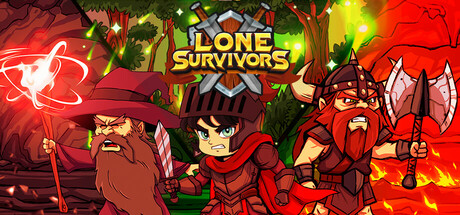
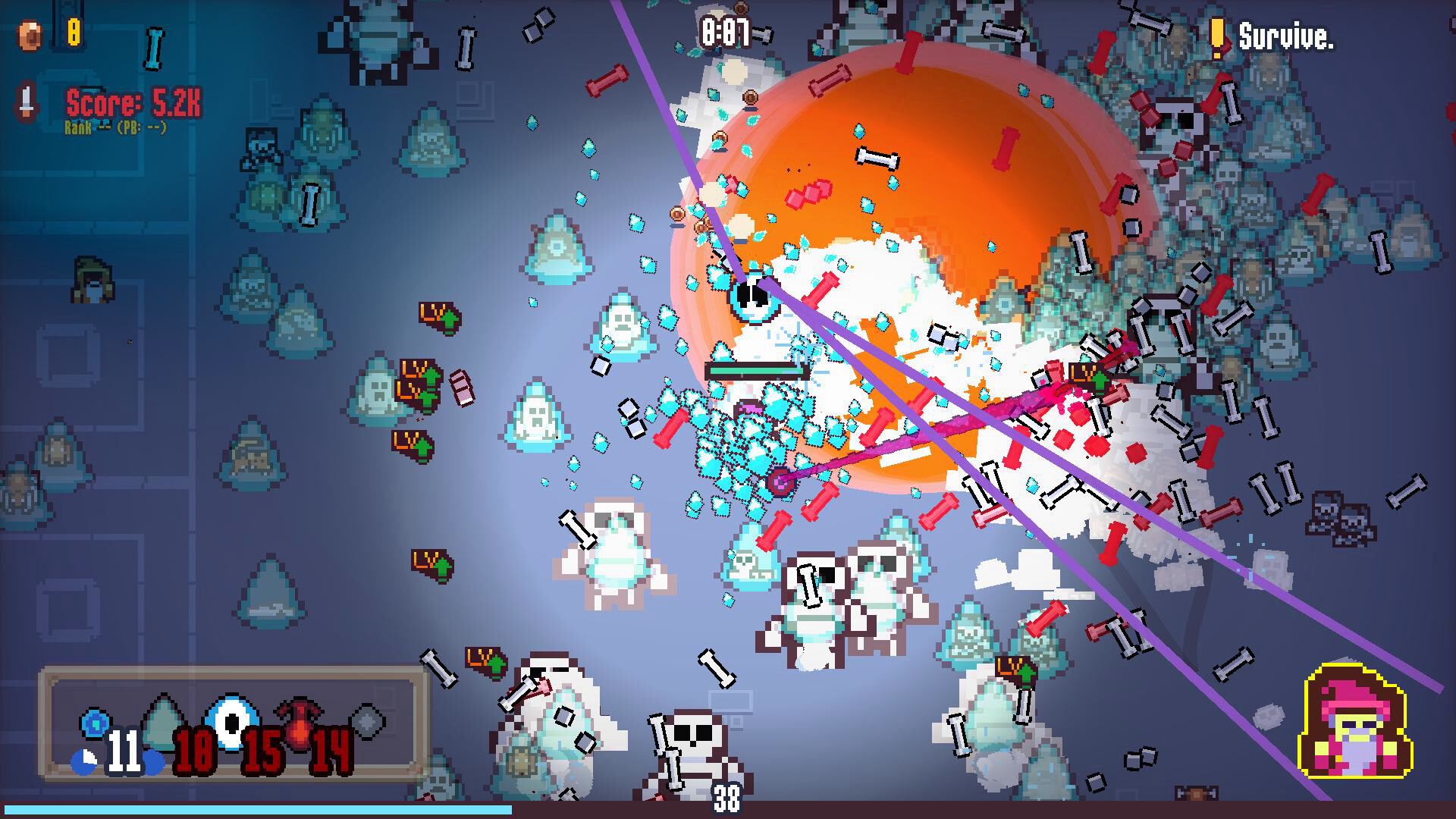
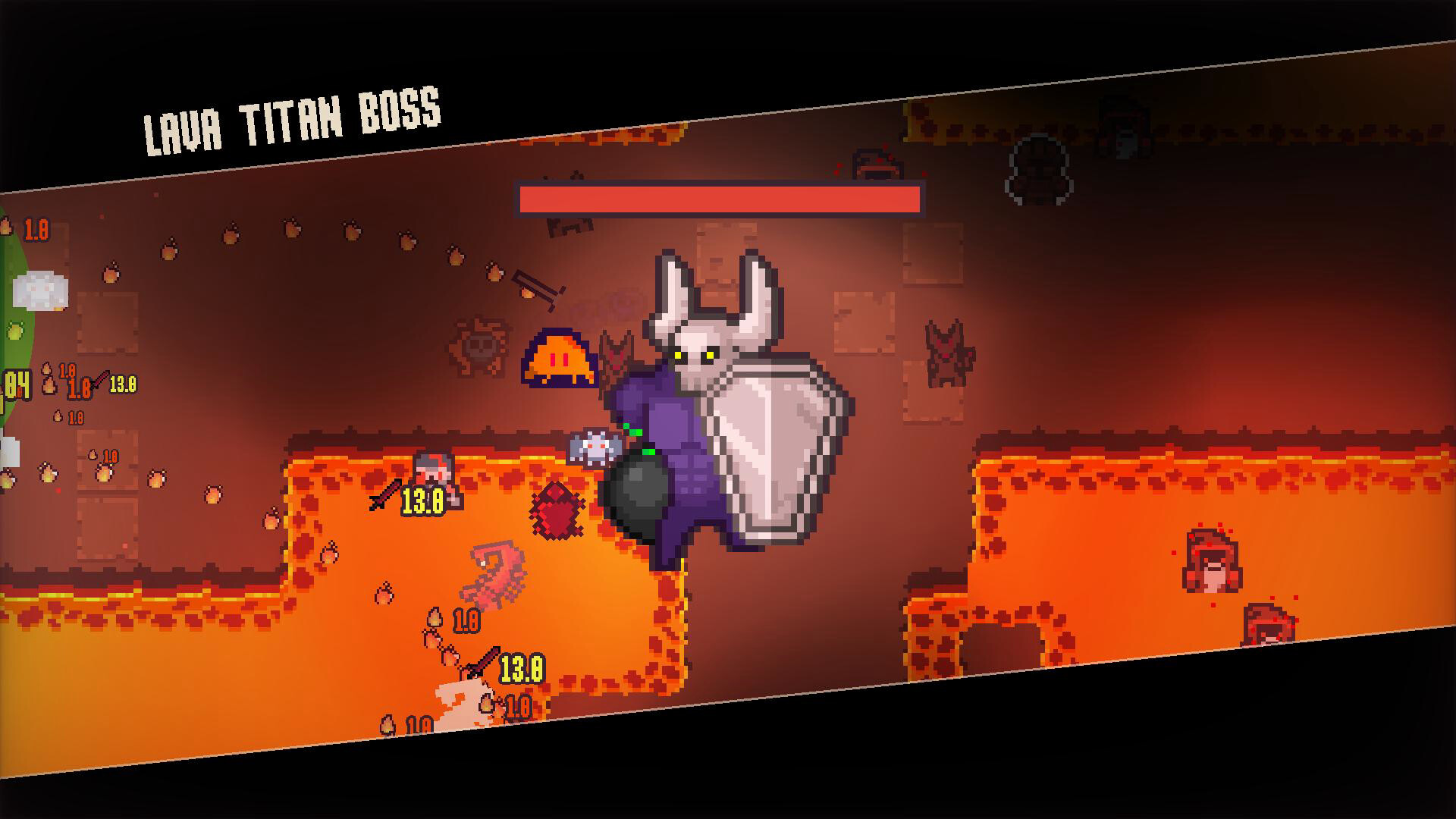
Lone Survivors is precisely the kind of game that grammar can hold—and swallow. The store page is blunt: an objective-driven bullet heaven; twelve classes; 40+ weapons and 300+ permanent upgrades; forests, dungeons, beaches, volcanic depths, a pirate ship and a zombie village in rotation; campaign objectives plus endless mode and leaderboards. Price $4.99. Release date February 27, 2026. It does not refuse the lane; it puts a first game on the shelf in the middle of it.
greatcoltini's public postmortem refuses to let "the lane is hot" excuse him. He writes plainly: he started from a course on implementing a survivors-like, spent a year and a half expanding it, adding his own systems, and pulling resources from earlier unfinished projects. Note the wording—what is protected is not the self-comfort of "I picked the right genre," but the honesty of "I am laying first-week numbers out for the next first-time launcher."
This is where default logic and launch ethic fork. The safe lane asks: are the tags hot? An honest launch asks: when the tags are hot, where did the wishlists come from, how many converted, how many reviews short, and what did launch week collide with?
II. Smashing the Script: Five Hundred Dollars of Ads Bought Nine Hundred Wishlists—Not the Word "Safe"
The sharpest scene in the postmortem is not a failure chart, but a set of numbers that read like labor notes: about 59 followers and 903 wishlists going into release; 279 copies sold in launch week; about $1,300 total revenue (excluding returns/chargebacks/VAT); about 9.2% wishlist conversion; 3.1% refund rate (9 copies at the time); peak concurrent 21; nine user-purchased reviews.
The scene can be made more concrete. A partner suggested trying ads; wishlists sat around 300 before ads; after about $500 in Reddit ads (the partner paid), the count landed just over 900. The author leaves a pointed self-doubt: the spend was "worth it," but wishlist-to-purchase conversion "could suggest otherwise." That is not PR language; it is a solo author putting "bought wishlists" and "bought copies" on the same table.
The key mechanism shows here: wishlists can be pushed by ads; conversion does not automatically rise with genre heat. 9.2% is not a disaster for many first launches—and in the author's own judgment the release "went really well considering the amount of wishlists"—but it also proves something else: what five hundred dollars mainly bought was list length, not guaranteed discovery favor, and certainly not an insurance policy labeled "survivors-like = will sell."
This recalibrates the phrase "safe lane." Safety here is not how crowded the genre is, but whether you still have the room to admit: lists can be bought; trust has to be played. The industry default splits marketing from product; this postmortem welds them back onto one decision chain—every wishlist you inflate must be checked against whether it becomes a copy, a review, a real session in launch week.
III. Numbers Pin Down Rhetoric: One Review Short, Keys to Friends and Family, and the Next Fest Window
Without threshold detail, "first week wasn't bad" slides into empty talk. The entries under "What Didn't Go Well" nail rhetoric back to verifiable ground.
First, the review threshold. Free copies to friends and family meant missing early chances to hit the ten purchase-review requirement—stuck at nine, one short of the common boost. Later, friends who had not yet received keys, and strangers never met, wrote reviews he calls "literally one of the best feelings ever." Note the drama: it was not bad reviews that broke the work, but kindness in giving keys that delayed the integer threshold store algorithms love to count.
Second, Next Fest. He entered Steam Next Fest in September with about 100 wishlists; afterward he judges that next time he will absolutely wait for more visibility. Launch also overlapped a Next Fest period; he had read that such windows greatly affect coverage. He cannot quantify the hit, but writes it into the "plan around this" list. He had already pushed release back a month and did not want to move it again—so the window itself became sunk cost.
Third, playtesting and demo shape. He believes at least one more playtest would have helped grow the audience; he also fully reworked the demo—from the first campaign level to endless mode, which he felt was more interesting. During launch week he ran a competition: it kept him watching leaderboards and got friends grinding, but the same problem from playtests returned—some builds were broken; he had to bugfix and delete leaderboard entries (someone posted over 2.4 million while high-level expected scores sat around 300k); he realized there may have been busted strategies, yet did not want to nerf during release week and ruin the competition.
The narrative force of these details is not how bleak they are, but how they refuse to pretend. They do not invent hope that "a hot lane clears thresholds by itself," nor turn "one review short" into a cute twist of fate. They admit publicly: what often blocks discovery is when you give keys, entering Next Fest too early on courage alone, and whether you will honestly delete broken scores in launch week.
IV. Luck and the Toolbox: Yogscast, Forty-Hour Streams, Angory Tom's Fifty Copies, and Versioned Commits
If the story stopped at "not enough wishlists," it would read like another anxiety-selling postmortem. greatcoltini also writes down the moments when luck actually landed on the table.
He sent about 80 keys to YouTubers and streamers in the genre; about 10 people replied; content created was roughly the same scale. Extremely lucky moments: a Yogscast member played the demo around launch; another streamer loved the game and played over 40 hours (early access build), with viewer comments as a final motivational push. TheGamesDetective helped with content and a giveaway. More random coverage came from Angory Tom: the day that YouTube video dropped, about 50 copies sold.
On the demo side, leaderboard participation showed over 270 people played; the author hopes it at least helped players decide whether the game interested them. He also does not hide pride in the toolbox: labeling commits with version numbers, noting changes in descriptions, carrying relevant fixes between the 1.1 branch and main—so launch-week patch notes can be grepped by version; when a fix fails or something breaks, relevant commits are easier to find. He even renders git history as readable scenes: `[1.0.8] Work on Sandcastle Boss`, `[1.0.7] Fixed bug with fish`.
For indie developers, this juxtaposition is especially sharp and useful. You may not draw a Yogscast member at the door, but you do have your own "already good enough" list: whether a key to friends occupies a purchase-review slot, an early Next Fest entry, a version workflow that is not grep-friendly, a launch-week competition still grinding on broken builds. The survivors-like lane will not make those decisions for you; luck will not either.
Closing: Indie and First Launch, Redefined Inside "One Short"
Put this postmortem back on the 2026 indie floor, and what it really strikes is not the reputation of the six words "survivors-likes are hard," but a quieter production laziness—believing genre heat can replace discovery systems, believing ad-inflated wishlists equal validated demand, believing launch-week chaos can be lightly filed under "first-game learning."
The counterexample greatcoltini offers is clumsy and expensive: 903, 279, 9.2%, nine reviews, $500 ads, 80 keys, 270 demo players, one review short, a mistimed Next Fest—all in one public post. Clumsy, because it cannot be automated into an inspirational abstract; expensive, because it spends real face, not only marketing budget.
So "indie" can be redefined here. Indie need not mean avoiding hot tags; it can mean, inside the hottest tags, still insisting on asking what the first-week numbers actually proved. Making need not mean stacking features until "we also have twelve classes and endless mode"; it can mean being willing to change the window, the review threshold, playtest rounds, and wishlist targets for the next launch—the author's heaviest takeaway is precisely "aim for more wishlists next time"; he already plans at least two more content updates, one dropping that month, another possibly around the June Bullet Heaven fest, then deciding whether to keep shipping content or move to the next game.
The actionable notes are short, and honestly sharp:
- Write your "safety illusion" list: which three tags make you think discovery happens automatically; before launch, break them with wishlist sources (organic, ads, creators, playtests).
- Treat "ten purchase reviews" as a launch-week project, not fate: friend keys and purchase-review slots should not share one runway.
- Next Fest / major festivals are visibility tests, not courage tests; entering with a thin list trades calendar noise for silence.
- Ad-bought wishlists must be audited by conversion—worth it or not, write it into the next game's budget, not only into "we tried."
Nine hundred three wishlists, two hundred seventy-nine copies, one review short. Before that review is filled in, the maker has already locked the audit standard: not "is survivors-like safe," but "are my launch numbers still honest."

Sources and further reading
Steam store page: Lone Survivors (app 3629280; released 2026-02-27; GreatColtini Industries)